top of page

Pests We Deal With

At Greater Vancouver Pest Control, we specialize in comprehensive pest management solutions tailored to your needs, ensuring a pest-free environment for residences and businesses across Vancouver's Lower Mainland.

We follow an IPM (Integrated Pest Management) approach to solving even the most serious pest issues. By following an IPM focused approach, it allows our treatments to be targeted, reducing the amount of pesticide deployed into the environment (in and around your home or business) to help keep you, your family and your pets safe, all while being extremely effective at eliminating the pest from your space.

We work closely with all stakeholders at a location, be that your home, or your place of business, to design and implement a Integrated Pest Management plan. When we work together, the pests disappear!

AdobeStock_88863495_edited.jpg

Mice

These prolific breeders seek warmth and shelter indoors during Vancouver's cooler months, where they gnaw through wiring, contaminate food, and spread harmful pathogens.

AdobeStock_306521512.jpeg

Pavement/Sugar Ants

Often invading homes in large numbers through tiny cracks in the foundation, pavement ants contaminate food and can be notoriously difficult to eliminate once their colony has taken hold.

AdobeStock_1176761666.jpeg

Cockroaches

The most common cockroach species found in Vancouver are the German cockroach, these fast breeding pests thrive in kitchens and bathrooms, contaminating surfaces with bacteria and triggering allergies and asthma.

AdobeStock_863352289.jpeg

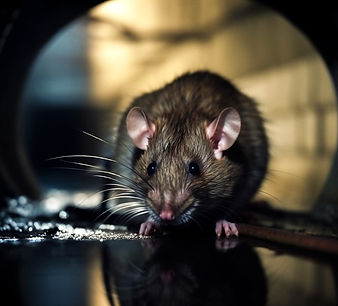
Rats

Highly adaptable and secretive, rats pose serious health risks by contaminating food and surfaces with their urine and droppings, while their constant gnawing can compromise electrical wiring and even the structural integrity of buildings.

AdobeStock_535861245.jpeg

Bed Bugs

These elusive, nocturnal pests hide in tiny cracks and crevices near sleeping areas, emerging at night to feed on human blood and leaving behind itchy, red welts.

AdobeStock_357707304.jpeg

Pharaoh Ants

These tiny, golden yellow ants are a particular concern for healthcare facilities and homes because they can spread dangerous bacteria and are nearly impossible to control with do it yourself methods.

AdobeStock_1845199577.jpeg

Silverfish

These moisture loving pests are attracted to paper, glue, and fabrics, and will silently destroy books, wallpaper, and clothing without being noticed until the damage is done.

AdobeStock_832842056.jpeg

Carpenter Ants

Unlike termites, these large ants don't eat the wood but tunnel through it to build their nests, which can cause significant structural damage to your property over time.

AdobeStock_355508517.jpeg

Spiders

While many species are harmless, spiders in and around your home create unsightly webs and can indicate a larger underlying pest problem that serves as their food source.

AdobeStock_207423934.jpeg

Wasps

Aggressive when threatened, these stinging insects build nests in eaves, wall voids, and underground, posing a danger to those with allergies and causing painful stings to anyone who disturbs them.

AdobeStock_275184118.jpeg

Bald Faced Hornets

Despite their name, these are actually a type of yellowjacket that builds large, papery nests in trees or on buildings and will aggressively defend their colony with repeated, painful stings.

AdobeStock_445674989.jpeg

Carpet Beetles

These tiny but destructive pests feed on natural fibers, causing irreparable damage to carpets, clothing, and upholstery as their larvae go unnoticed while they graze.

AdobeStock_1670172194.jpeg

Pantry Pests

Weevils and beetles will infest dry goods like flour and cereal, contaminating your food supply and often spreading to multiple products in your kitchen.

AdobeStock_313056853.jpeg

Clothing Moths

These delicate looking insects are anything but harmless, as their larvae feed exclusively on animal based materials like wool, silk, and fur, leaving behind unsightly holes and damage.

AdobeStock_185403846.jpeg

Indian Meal Moths

Easily identified by the distinctive web like silk they leave behind, these common pantry pests contaminate dry goods like flour, cereal, and pet food with their larvae and frass.

AdobeStock_394194946.jpeg

Flies

Beyond being a persistent nuisance, these disease vectoring pests contaminate food and surfaces by landing on, laying eggs, and regurgitating onto everything they touch.

AdobeStock_465782111.jpeg

Fleas

These tiny, blood feeding pests are often brought inside by pets and can quickly infest carpets and furniture, leaving painful bites on both animals and humans.

AdobeStock_680343856.jpeg

Squirrels

Once inside your attic or walls, these agile rodents can cause extensive damage by chewing through electrical wires, tearing up insulation, and creating fire hazards with their nesting habits.

Image by Chris Ensminger

Raccoons

These deceptively clever creatures can cause extensive damage to your property by tearing off shingles, ripping open vents, and leaving behind harmful waste as they seek shelter in your attic or chimney.

Image by Amisha Bhatnagar

Pigeons

Often congregating on ledges and rooftops, these birds create health and safety hazards with their highly acidic droppings that damage building materials and harbor harmful pathogens and bacteria.

Image by Simerpreet Cheema

Starlings

These aggressive birds often nest in vents and eaves, where their constant noise, droppings, and parasitic mites can create serious health risks and block critical ventilation systems.

AdobeStock_473480524.jpeg

Exclusion Work

Sealing cracks, gaps, and entry points around your home's foundation, windows, and roofline to create a physical barrier that prevents pests from getting inside in the first place.

Image by Daniel Reis

Building Wide Infestation Management

Coordinated treatment across all units and common areas to eliminate pests at the source, preventing the cycle of re-infestation that occurs when neighboring spaces are left untreated.

bottom of page